Sudoku Puzzle 100 MEDIUM 8.5x11 Volume 5: Optimizing KDP Interiors for Modern Creators
The landscape of self-publishing has shifted from simple content creation to precise product engineering. For independent publishers and digital entrepreneurs, Sudoku Puzzle 100 MEDIUM 8.5x11 Volume 5 represents more than just a collection of logic games; it is a standardized asset designed for the current Amazon KDP ecosystem. This specific interior template addresses the growing demand for high-quality, low-content books that balance user experience with strict platform compliance. As the market matures, the distinction between amateur uploads and professional products lies in technical specifications, formatting accuracy, and adherence to reader expectations regarding readability and layout.
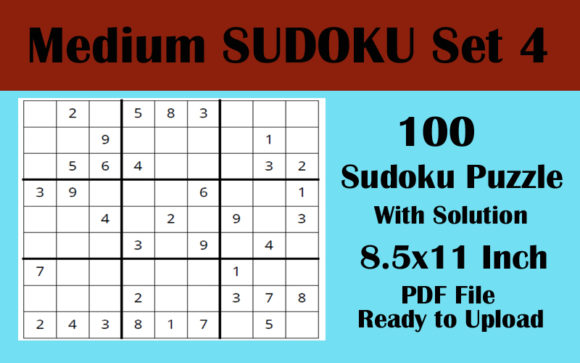
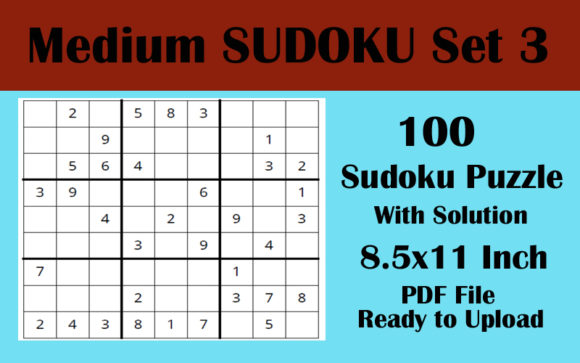
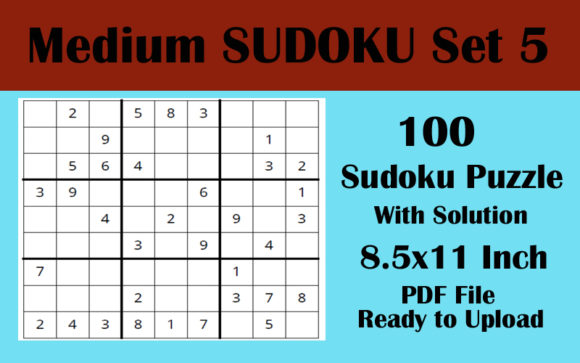
This volume is engineered as a complete KDP interior ready for printing, featuring 100 formatted and tested puzzles. The specification of an 8.5″ x 11″ trim size with no bleed is deliberate, catering to the largest segment of the puzzle book market while minimizing production complexities. With 125 pages in total, including dedicated solution sections, this template provides a turnkey solution for creators who need to maintain consistent publishing schedules without sacrificing quality assurance. Understanding why this specific configuration matters requires looking at the intersection of cognitive trends, technical printing standards, and consumer behavior in the digital age.
The Resurgence of Analog Focus in a Digital Economy
Professionals, marketers, and educators are increasingly seeking analog anchors in a hyper-digital workflow. The relevance of Sudoku Puzzle 100 MEDIUM 8.5x11 Volume 5 extends beyond entertainment; it taps into the wellness and productivity movements dominating current lifestyle trends. For adults aged 20 to 50, sudoku serves as a structured form of mindfulness. Unlike scrolling through social media, which fragments attention, solving a 9x9 grid requires sustained, singular focus. This "cognitive reset" is becoming a valued commodity for freelancers and business owners managing burnout.
Publishers are responding to this shift by prioritizing usability over density. The decision to feature large print with one puzzle per page is a direct response to user feedback and market data. In previous years, publishers often crammed multiple puzzles onto a single sheet to increase perceived value. However, modern readers associate whitespace with quality and accessibility. The 8.5x11 format allows for generous margins and larger cell sizes, reducing eye strain and making the book usable in various environments, from commuter trains to office break rooms. This alignment with ergonomic reading habits is what separates successful listings from those that stagnate.
Technical Precision and KDP Compliance Standards
Creating a profitable low-content book is less about artistic expression and more about technical execution. Amazon’s printing algorithms have become stricter regarding margins, bleed, and safe zones. A common failure point for new publishers is submitting files that trigger automated rejections or result in poor physical copies. This interior template mitigates those risks through pre-validated specifications.
- No Bleed Configuration: The 8.5″ x 11″ no bleed setting is the industry standard for puzzle books. It ensures that all critical content remains within the safe zone, preventing text or grid lines from being trimmed during the binding process. This reduces waste and customer returns due to manufacturing defects.
- Tested Grid Integrity: Each of the 100 puzzles has been formatted and tested for solvability. Automated generators often produce broken grids with multiple solutions or impossible logic paths. Using a verified interior protects the publisher’s brand reputation and prevents negative reviews related to puzzle errors.
- Optimized Page Count: At 125 pages total, this book hits a sweet spot for spine width and royalty calculations. It is substantial enough to justify a competitive price point but lean enough to keep printing costs low, maximizing profit margins per unit.
For creators managing multiple titles, having a reliable, pre-formatted PDF file ready to upload streamlines the production pipeline. This efficiency is crucial for scaling a publishing business where volume and consistency drive long-term revenue.
User Experience Design: Layout and Solution Accessibility
The architecture of a puzzle book dictates its retention rate. Sudoku Puzzle 100 MEDIUM 8.5x11 Volume 5 employs a user-centric layout strategy that acknowledges how adults interact with physical media. The medium difficulty level targets the core demographic: experienced enough to avoid boredom, yet accessible enough to prevent frustration during short sessions. This balance is essential for maintaining positive engagement metrics and encouraging series loyalty.
A critical, often overlooked aspect of UX in puzzle books is the solution key. This template organizes answers with four sudoku solutions per page. This density strikes a practical balance; it keeps the answer section compact so the book doesn't feel back-heavy, yet maintains legibility so users can verify their work without squinting. Placing solutions in a dedicated section rather than upside-down on the same page preserves the clean aesthetic of the puzzle spread and prevents accidental spoilers. These micro-decisions in layout design signal professionalism to the buyer and enhance the overall utility of the product.
Meeting the Expectations of the Modern Hobbyist
The target audience for this volume includes curious readers and hobbyists who treat purchasing decisions as investments in their leisure time. They expect large print not merely as an accessibility feature for seniors, but as a premium standard for all ages. The 9x9 grid rendered in high contrast on white paper meets the visual clarity required for pencil marking and erasing. Furthermore, the single-puzzle-per-page layout facilitates tearing out pages for sharing or travel, a functional benefit that adds tangible value to the physical format over digital alternatives.
Strategic Implications for Self-Publishers and Creators
For entrepreneurs and bloggers expanding into physical products, leveraging pre-made interiors like this volume offers strategic advantages. It shifts the focus from production mechanics to marketing and audience building. Instead of spending dozens of hours formatting grids and verifying logic, creators can allocate resources toward keyword research, cover design testing, and ad campaigns.
However, using a standardized interior requires a nuanced approach to differentiation. Since the internal content is fixed, success depends on external positioning. Publishers should consider how Sudoku Puzzle 100 MEDIUM 8.5x11 Volume 5 fits into broader niches. Is it positioned as a teacher’s resource for logic training? A corporate wellness gift? A travel companion for digital nomads? The versatility of the medium difficulty and large print format allows for cross-niche marketing strategies that pure niche-specific puzzles cannot achieve.
Additionally, the "Volume 5" designation implies a series strategy. Building a catalog is fundamental to KDP success. Readers who enjoy this volume are likely to seek previous or future editions. Maintaining consistent formatting across volumes creates a cohesive brand identity. When customers know exactly what to expect regarding font size, margin width, and solution placement, trust increases, leading to higher conversion rates on new releases.
Evolving Market Preferences and Future-Proofing
The low-content book market is evolving from saturation to specialization. Generic puzzle books face stiff competition, but specialized, high-specification interiors continue to perform. The trend toward "large print" for general audiences reflects a broader societal shift toward inclusive design. By adopting these standards now, publishers future-proof their catalogs against rising accessibility expectations.
Furthermore, the integration of digital and physical experiences is reshaping consumer habits. While this product is a physical PDF interior, savvy marketers are finding ways to bridge the gap. Some use the solution pages to link to newsletters or websites, turning a static puzzle book into a lead generation tool. The clean, professional layout of this interior supports such additions without disrupting the user experience, provided they remain subtle and relevant.
Practical Recommendations for Implementation
When utilizing this KDP-ready interior, creators should adhere to several best practices to maximize effectiveness:
- Verify Cover Dimensions: Ensure your cover file matches the exact page count (125 pages) and trim size (8.5x11 no bleed). Even minor discrepancies can cause upload failures.
- Highlight Specifications in Metadata: Explicitly mention "Large Print," "One Puzzle Per Page," and "Medium Difficulty" in your title, subtitle, and description. These are primary search filters for buyers.
- Leverage A+ Content: Use Amazon A+ Content to show interior spreads. Buyers want to verify the font size and grid clarity before purchasing. Showing the actual layout builds confidence and reduces returns.
- Maintain Series Consistency: If this is Volume 5, ensure Volumes 1-4 match these specs. Retrofitting older titles to meet new quality standards can revitalize backlist sales.
Ultimately, Sudoku Puzzle 100 MEDIUM 8.5x11 Volume 5 serves as a foundational component for a sustainable publishing business. It combines technical reliability with market-aligned design, addressing the specific needs of both the creator and the end-user. In an era where attention is scarce and quality is paramount, providing a frictionless, enjoyable analog experience is a viable and profitable strategy. Whether you are a seasoned publisher optimizing your workflow or a new creator entering the space, understanding the value of professionally formatted, tested, and user-focused interiors is the first step toward long-term success in the KDP marketplace.