Hand Drawn LRG Weave Mazes: Design Characteristics and Practical Applications
The intersection of analog artistry and cognitive development finds a unique expression in hand-drawn puzzle assets. Specifically, the collection designated as Hand Drawn LRG Weave Mazes - 10-12-20 represents a specialized niche within activity book creation and therapeutic recreation. Unlike digitally generated algorithms that produce uniform, sterile pathways, these ten distinct mazes offer an organic aesthetic characterized by larger paths and variable complexity. Understanding the specific attributes of this set is essential for creators, educators, and therapists looking to integrate high-quality, accessible visual puzzles into their materials.
The Functional Advantage of Larger Pathways
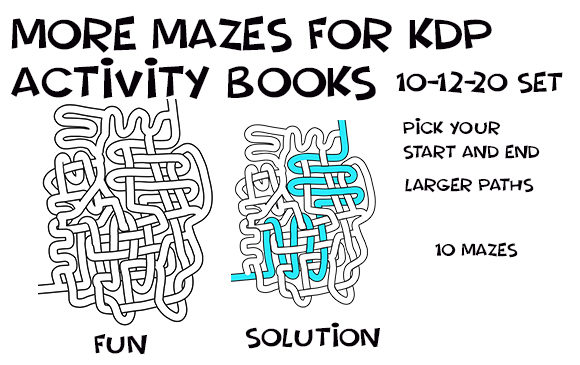
A defining characteristic of this specific maze set is the deliberate use of wider corridors. In standard maze design, narrow paths often serve to increase difficulty by restricting movement and demanding extreme precision. However, the "LRG" (Large) designation in this collection shifts the focus from fine motor restriction to cognitive navigation. This design choice has significant implications for accessibility and user experience.
For younger players, particularly those in early childhood education settings, large-path mazes bridge the gap between free drawing and structured problem-solving. The wider lanes accommodate the developing motor skills of children who may not yet have mastered precise pencil control. Similarly, for individuals with hand-eye coordination difficulties or motor impairments, these mazes provide an inclusive challenge. The physical act of tracing becomes less about avoiding wall collisions and more about planning a route, allowing users with varying physical abilities to engage with the same cognitive content without frustration.
This accessibility does not equate to a lack of challenge. The difficulty in these designs is derived from the weave structure rather than spatial constriction. Users must still process complex visual information and make executive decisions regarding direction, even if the physical execution of the line is more forgiving. This balance makes the set particularly valuable for mixed-ability classrooms or intergenerational activity programs where participants require different levels of physical accommodation but similar levels of mental engagement.
Cognitive Load and the Weave Mechanic
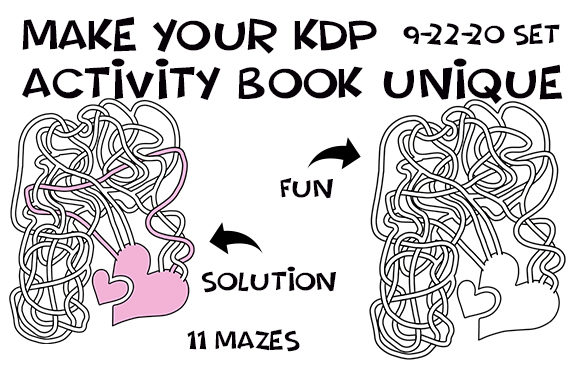
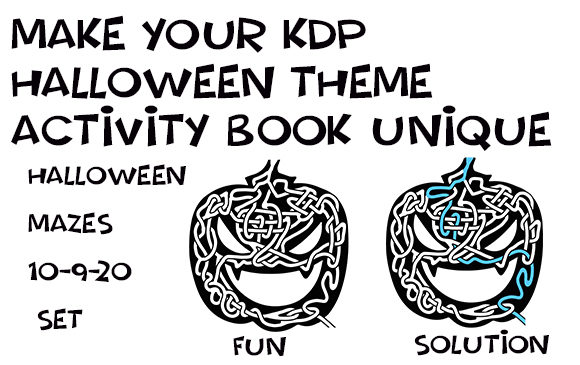
The term "weave" in maze terminology refers to paths that appear to cross over or under one another, creating a three-dimensional illusion on a two-dimensional plane. Within the Hand Drawn LRG Weave Mazes - 10-12-20 collection, the implementation of this mechanic varies significantly. Some mazes feature prominent weaving structures, while others utilize traditional flat layouts. This variation is crucial for managing cognitive load across different user groups.
Weave mazes introduce a layer of perceptual complexity that goes beyond simple pathfinding. The solver must interpret depth cues and maintain spatial working memory to understand connectivity. For some solvers, this added dimension enhances engagement and provides a satisfying "aha" moment when the logic clicks. For others, particularly those with visual processing sensitivities, the curves and overlapping lines can be distracting or disorienting. The inclusion of non-weave options within this ten-maze set allows facilitators to scaffold the experience. A user might begin with a standard large-path maze to build confidence before graduating to a weave variant, or they may stick to non-weave designs if the visual overlap proves too taxing.
It is worth noting that subjective difficulty plays a major role here. What one solver perceives as a stimulating pattern, another may find chaotic. The hand-drawn nature of these assets adds organic irregularities that digital vectors lack. These subtle imperfections can actually aid in orientation, providing unique landmarks within the maze that help solvers track their progress through the weave, whereas perfectly symmetrical digital mazes can sometimes cause visual fatigue due to repetitive patterns.
Technical Specifications for KDP and Print Production
For independent publishers and content creators utilizing platforms like Amazon KDP, technical fidelity is non-negotiable. This maze set is engineered specifically for print production workflows. All files are rendered at 300 DPI, which is the industry standard for crisp, professional-grade printing. Low-resolution mazes often appear pixelated or blurry when printed, ruining the user experience and leading to negative reviews. The 300 DPI specification ensures that the hand-drawn line quality remains sharp, preserving the artistic integrity of the original ink work.
The assets are provided in both JPG and PNG formats for blank mazes, and PNG format for solution keys. This dual-format approach offers flexibility in layout software. JPGs are often preferred for full-page backgrounds due to smaller file sizes, while PNGs with transparency support allow for layering over colored backgrounds or integration into composite designs without white box artifacts. The native sizing on US Letter paper simplifies the imposition process for standard 8.5 x 11 inch activity books, though the high resolution allows for scaling down to smaller trim sizes without quality loss.
Creators should note the intentional absence of "Start" and "End" markers in the source files. While this requires an extra step during layout, it provides significant creative freedom. Publishers can customize entry and exit points to fit narrative themes, adjust difficulty dynamically, or localize text for different languages without needing to edit the image file itself. Furthermore, the bidirectional design means either end can serve as the starting point, effectively doubling the utility of each maze asset for replay value.
Solution Integrity and Verification Protocols
One of the most critical aspects of any commercial maze product is the guarantee of a single, valid solution. Multi-solution mazes can frustrate users who believe they have made an error when they have actually found a valid alternative path. The creator of this set emphasizes rigorous verification to ensure unique solvability. This commitment to structural integrity is vital for maintaining trust with the audience, especially in educational or therapeutic contexts where the puzzle serves as a measurable assessment tool.
Despite this assurance, best practices for publishers dictate independent verification. Before finalizing any manuscript using these assets, creators should physically test solve each maze. This step confirms not only the uniqueness of the solution but also the perceived difficulty level. Because hand-drawn mazes possess organic variance, automated solvers may sometimes misinterpret artistic line weight as walls or paths. Human verification bridges this gap, ensuring the intended user experience matches the technical reality.
The inclusion of separate solution pages facilitates this QA process. Having the answer key readily available allows for rapid checking during the layout phase. It also enables the creation of answer keys at the back of the book, a standard expectation for activity books. Publishers might consider placing solutions upside down or on a separate downloadable resource to prevent accidental spoilers, depending on their target demographic's preferences.
Differentiating Difficulty Through Visual Processing
Evaluating whether a maze is "hard" or "easy" requires moving beyond simple metrics like path length or dead-end count. In the context of Hand Drawn LRG Weave Mazes - 10-12-20, difficulty is largely a function of visual processing demands versus motor demands. The set includes mazes where the solution path is exceptionally long, such as the noted weave maze that presents a significant endurance challenge. Length combined with weaving creates a compound difficulty factor that tests sustained attention.
Conversely, shorter mazes with complex weaves may test spatial reasoning more than patience. Educators and therapists can leverage this spectrum to target specific cognitive domains. A child working on attention span might benefit from the longer, simpler weave, while a student developing spatial visualization skills might tackle a shorter, denser weave. The hand-drawn aesthetic also introduces a variable of "visual noise" that differs from clinical, computer-generated lines. Some users find organic lines easier to follow because they mimic natural handwriting, while others prefer geometric precision. Recognizing this preference is key to effective implementation.
Ultimately, the versatility of this collection lies in its refusal to adhere to a single difficulty curve. By offering a mix of weave and non-weave designs, large paths, and varying solution lengths, it supports a differentiated approach to puzzle-based learning and recreation. Whether used as a standalone activity book, a supplement to a curriculum, or a therapeutic tool, these assets provide a foundation that respects both the artistic tradition of hand-drawn puzzles and the practical requirements of modern publishing and accessibility standards.