KDP Interior Classroom Expense Tracker: A Practical Resource for Teacher-Authors and Educators
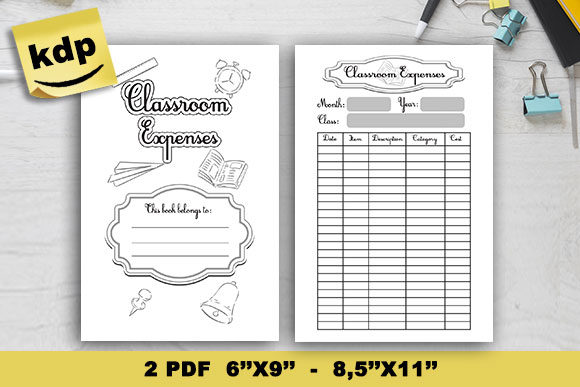
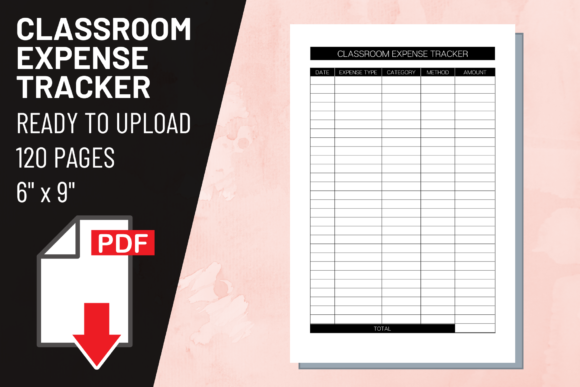
Managing classroom finances often feels like a second job that never quite gets the attention it deserves. For educators who self-fund their classrooms, tutors tracking billable expenses, or homeschool parents balancing educational budgets against household costs, organization is not just about neatness—it is about sustainability. The KDP Interior Classroom Expense Tracker serves as a specialized low-content publishing asset designed to bridge the gap between chaotic receipt piles and organized financial records. Measuring at a portable 6″ x 9″, this pre-formatted interior allows creators to publish functional tools that help users monitor spending on supplies, decorations, technology, and professional development without needing to design complex spreadsheets from scratch.
Real-World Applications Beyond the Traditional Classroom
While the title suggests a focus on school teachers, the utility of a classroom expense tracker KDP interior extends into several niche markets where education and finance intersect. Understanding these varied use cases helps in positioning the book effectively or determining if it meets specific organizational needs.
The Self-Funding K-12 Educator
Public school teachers frequently spend hundreds, sometimes thousands, of dollars annually out-of-pocket. For this demographic, the tracker is less about profit and loss and more about reimbursement documentation and tax deduction preparation. A 6″ x 9″ size is particularly strategic here because it fits inside a teacher’s tote bag or planner. Unlike a standard 8.5″ x 11″ ledger that must stay on a desk, this compact format travels between home, school, and the supply store. Users can log purchases immediately after buying dry-erase markers or laminating pouches, ensuring that end-of-year tax conversations with accountants are based on accurate data rather than estimates.
Homeschool Families and Co-op Leaders
Homeschooling involves a unique blend of personal and educational spending that can quickly become murky. Parents utilizing this KDP interior can separate curriculum costs from general household expenses, which is vital for state reporting or future college portfolio documentation. Furthermore, homeschool co-op leaders who manage pooled funds for group classes or field trips can use these trackers to maintain transparency with other parents. Having a dedicated physical record builds trust within the community and simplifies the process of collecting dues or requesting contributions for shared resources.
Tutors and Educational Therapists
Private tutors and therapists operate as small businesses where every expense impacts the bottom line. For these professionals, the KDP Interior Classroom Expense Tracker functions as a simplified business ledger. They can track investments in assessment kits, specialized learning software subscriptions, and client-specific manipulatives. Because the file is provided at 300 dpi with no bleed, the printed result looks professional enough to present during audits or business reviews, distinguishing it from a casual notebook scribble.
Technical Specifications and Publishing Readiness
For those looking to publish or utilize this specific digital asset, understanding the technical parameters ensures a smooth experience from download to print. The package includes a high-quality PDF file formatted specifically for Amazon KDP’s printing standards.
- Dimensions: 6″ x 9″ (Trade Paperback size)
- Page Count: 120 pages
- Resolution: 300 dpi (Print-ready crispness)
- Bleed Settings: No bleed (Content stays within safe margins)
- Format: PDF (Ready to upload)
The "no bleed" specification is a critical detail for users and publishers alike. It means all text, lines, and tables are set within a safe margin, eliminating the risk of content being trimmed off during the binding process. This makes the interior incredibly forgiving for first-time KDP publishers who may be anxious about formatting errors. The 120-page count provides ample space for an entire academic year of tracking without making the book too bulky for daily carry.
Evaluating Fit: When to Use This Format
Not every financial situation requires a dedicated physical tracker, and recognizing when this tool is appropriate saves time and resources. The KDP Interior Classroom Expense Tracker excels in environments where digital fatigue is real and tactile engagement improves compliance.
Ideal Scenarios:
- Digital Detox Zones: Classrooms where phones and tablets are restricted or distracting. Writing down an expense takes ten seconds and keeps the educator focused on students rather than notifications.
- Grant Compliance: Teachers managing specific grant money often need distinct separation from personal funds. A dedicated physical book provides an unalterable audit trail that digital spreadsheets cannot always guarantee.
- Visual Budgeters: Individuals who process information better through handwriting. The act of writing reinforces memory and awareness of spending habits more effectively than typing numbers into an app.
Potential Limitations:
It is equally important to acknowledge where this format may fall short. Users requiring automatic categorization, recurring transaction imports, or instant graph generation will find a static PDF interior limiting. This tracker is a manual entry tool; it does not calculate totals automatically unless the user designs the interior with specific calculation boxes, nor does it sync with bank feeds. It serves best as a primary capture tool or a backup system, rather than a replacement for comprehensive accounting software for large-scale operations.
Customization and User Experience Considerations
Whether you are a creator adapting this interior or an end-user purchasing a published version, considering the layout's flexibility is essential. A generic classroom expense tracker KDP interior typically includes columns for date, item description, category, cost, and payment method. However, different niches may require slight mental adaptations.
For example, special education teachers might repurpose the "Category" column to track funding sources (e.g., IEP budget vs. General Ed) rather than expense types. Music teachers might use the description field to note which instrument or ensemble the purchase supports. The beauty of a non-dated, structured interior is its adaptability. Because the file is a static PDF, users cannot change the headers digitally, but they can easily redefine what each column represents with a simple legend written on the first page.
Creators should also consider the paper quality implications of the 6″ x 9″ format. Since KDP standard color paper is relatively thin, users planning to use gel pens or heavy markers should be advised to test their writing instruments first to prevent bleed-through. Ballpoint pens, pencils, and fine-liners work exceptionally well with this paper stock, maintaining the integrity of the 300 dpi print quality on the reverse side.
Maximizing Value Through Consistent Habits
The true value of any expense tracker lies not in its design but in its consistent application. Educators and administrators getting the most out of this resource tend to integrate it into existing workflows rather than treating it as an extra chore. Pairing the tracker with weekly planning sessions, keeping it clipped to a purchase order folder, or reviewing it monthly alongside bank statements transforms it from a passive notebook into an active financial management system.
For KDP publishers, emphasizing this habit-forming aspect in marketing materials can significantly improve customer satisfaction. Highlighting that the 6″ x 9″ size is designed for portability and daily interaction helps set realistic expectations. Ultimately, the KDP Interior Classroom Expense Tracker is a foundational tool that brings order to the financial chaos of education, providing peace of mind through structure and clarity.