KDP Interior Maintenance Log Book: Streamlining Record Keeping for Self-Publishers
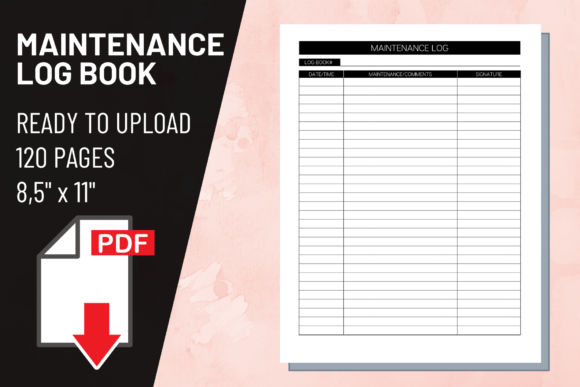
In the expanding world of self-publishing, the difference between a mediocre product and a bestseller often lies in the quality of the interior design. For creators focusing on functional notebooks and journals, precision is paramount. The KDP Interior Maintenance Log Book serves as a critical resource for publishers who need to provide end-users with a reliable, professional-grade tool for tracking repairs, service intervals, and asset management. This specific template, formatted at 8.5″ x 11″ with 120 pages of high-resolution content, addresses one of the most common pain points in low-content publishing: ensuring technical specifications meet print-on-demand standards without requiring extensive graphic design skills.
The Functional Necessity of Standardized Logging
Maintenance logs are not merely notebooks; they are compliance tools, warranty validators, and historical records. Whether used for vehicle fleets, HVAC systems, rental properties, or personal equipment, the integrity of the data depends entirely on the structure of the log itself. A poorly designed interior leads to user frustration and abandoned records. When utilizing a pre-formatted maintenance log book KDP interior, publishers can guarantee that every page offers consistent utility.
The 8.5″ x 11″ dimension is the industry standard for this category for several practical reasons. It provides ample horizontal space for detailed descriptions of work performed, parts replaced, and technician notes. Smaller trim sizes often force users to cramp their handwriting or omit crucial details. By adhering to this larger format, the log book accommodates both quick check-ins and comprehensive service reports. Furthermore, the 120-page count strikes an optimal balance between portability and longevity. It is substantial enough to cover months or even years of maintenance history for a single asset, yet thin enough to remain lightweight and easy to store in a glove compartment, toolbox, or filing cabinet.
Technical Specifications and Print Quality
For KDP publishers, file preparation is where many projects fail. Blurry text, incorrect margins, and bleed errors result in rejected uploads or poor customer reviews. This package eliminates those risks through rigorous technical adherence:
- 300 DPI Resolution: Text and lines are rendered at 300 dots per inch, ensuring crisp printing. Low-resolution interiors often appear pixelated or grayish when printed via digital offset; this high-density PDF ensures sharp contrast and professional legibility.
- No Bleed Configuration: The "no bleed" setting is intentional for maintenance logs. Unlike art books or full-color children’s books, functional logs require safe margins to prevent content from being trimmed off during binding. This specification ensures that all writing areas remain fully accessible and within the safe zone.
- Ready-to-Upload PDF: The file is flattened and optimized specifically for Amazon’s printing engines. This removes compatibility issues associated with editable source files like Word or InDesign, which can shift formatting upon upload.
Identifying Your Target Audience and Use Cases
Understanding who buys maintenance logs helps publishers market them effectively. The versatility of a standardized KDP Interior Maintenance Log Book allows it to serve multiple distinct demographics. Recognizing these segments enables better keyword targeting and cover design alignment.
Small Business Owners and Contractors
Landlords, property managers, and independent contractors require documented proof of upkeep for liability protection and tax purposes. For these professionals, a maintenance log is a business expense that organizes chaos. They value clean tables, date columns, and signature lines over decorative elements. The 8.5″ x 11″ format allows them to attach receipts or carbon copies within the book if necessary, making it a central hub for asset documentation.
Automotive and Equipment Enthusiasts
Car collectors, boat owners, and heavy machinery operators understand that resale value is directly tied to service history. These users are meticulous. They seek a maintenance log book KDP interior that includes specific fields for mileage, hours of operation, fluid types, and vendor information. Providing a structured layout helps them maintain discipline in their record-keeping habits, transforming a chore into a satisfying ritual of ownership.
Homeowners and DIYers
The general consumer market includes homeowners tracking appliance warranties, filter changes, and seasonal home repairs. For this audience, simplicity is key. They may not need complex technical fields but do appreciate prompts that remind them what information to record. A well-designed interior acts as a guide, prompting users to capture data they might otherwise forget, such as model numbers or purchase dates.
Evaluating Suitability for Your Publishing Portfolio
While this template offers significant advantages, publishers must assess whether it aligns with their specific goals. Not every maintenance niche requires a generic 120-page ledger. Evaluating suitability involves considering the depth of information required by the end-user.
Strengths to Consider:
- Time Efficiency: Creating a compliant, high-DPI interior from scratch can take dozens of hours. Using a verified template accelerates time-to-market, allowing publishers to focus on cover design and marketing strategies.
- Risk Mitigation: Margin errors are the most common reason for KDP rejection. A pre-validated no-bleed file removes this variable from the production process.
- Scalability: Because the interior is neutral and professional, it can be adapted for various niches simply by changing the cover and title metadata. The same internal structure works for pool maintenance, server room logs, or fleet vehicle tracking.
Practical Limitations:
Publishers should recognize that a standardized KDP Interior Maintenance Log Book is a foundation, not a customization suite. If your target niche requires highly specialized fields—such as aviation maintenance codes or medical equipment sterilization cycles—a generic template may be insufficient. Additionally, because this is a no-bleed file, designers cannot extend background colors or graphics to the edge of the page. This constraint is beneficial for functionality but limits aesthetic experimentation. Publishers aiming for highly stylized, artistic journals may need a different specification, whereas those prioritizing utility will find this limitation to be a feature.
Real-World Application Scenarios
To visualize the practical application, consider a publisher creating a line of books for vacation rental hosts. By utilizing this 8.5″ x 11″ interior, they can create a "Property Turnover & Maintenance Log." The 120 pages allow a host to track cleaning schedules, minor repairs, and guest-reported issues across an entire season. The spacious layout accommodates checklists and notes regarding inventory replacement. Without this standardized interior, the publisher would need to hire a formatter to create custom tables, significantly increasing overhead costs.
Conversely, a publisher targeting classic car restorers might use the exact same file but brand it as a "Vehicle Restoration Journal." The open-ended nature of the columns allows restorers to document fabrication work, paint mixing ratios, and sourcing efforts. The high 300 DPI resolution ensures that even small text in the headers remains readable when the book is referenced in a dimly lit garage. In both scenarios, the core value proposition remains consistent: organized, durable, and professionally formatted record keeping.
Best Practices for Implementation
Acquiring the file is only the first step. To maximize the potential of your maintenance log book KDP interior, consider the following implementation strategies:
- Cover Design Alignment: Ensure your cover clearly communicates the interior's utility. Use subtitles like "Service Record," "Repair Tracker," or "Asset Management Log" so customers know exactly what they are buying before opening the book.
- Description Transparency: In your Amazon listing, explicitly state the dimensions (8.5″ x 11″), page count (120), and that it is a no-bleed edition. Customers appreciate knowing the physical specs to ensure it fits their storage needs.
- A+ Content Utilization: Since customers cannot physically flip through the book, use A+ Content to display screenshots of the interior pages. Showcasing the column headers and spacing reduces return rates and builds trust in the product's usability.
- Keyword Strategy: Pair broad terms like "maintenance log" with specific long-tail keywords relevant to the cover you have designed. The interior supports multiple niches, so your metadata should reflect the specific audience you are addressing with that particular edition.
Final Thoughts on Quality and Utility
The success of low-content and medium-content publishing relies heavily on respecting the end-user's need for function. A maintenance log is a working document, subject to grease, dust, and frequent handling. Providing a high-quality, 300 DPI, properly margined PDF demonstrates a commitment to user experience. The KDP Interior Maintenance Log Book package offers a robust solution for publishers who want to deliver professional-grade tools without navigating the complexities of print formatting. By understanding the technical benefits and appropriate use cases, creators can build a sustainable catalog of useful products that solve real-world organizational problems.