Daily Productivity KDP Template: Strategic Implementation for Low-Content Publishing
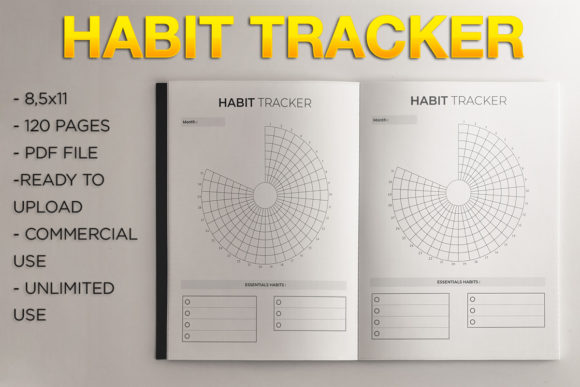
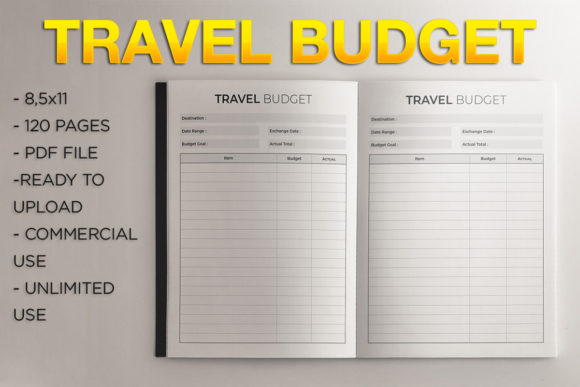
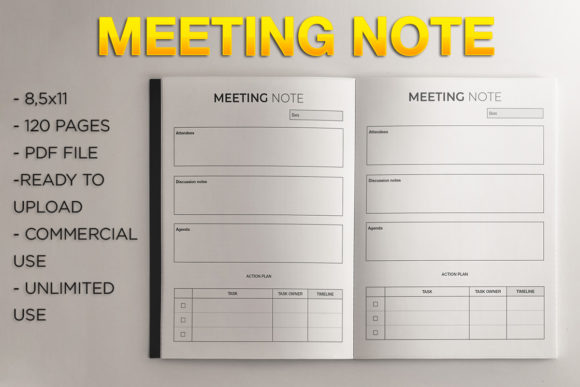
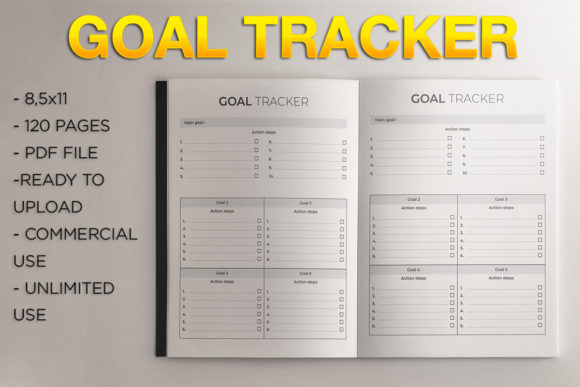
Success in the low-content publishing space on Amazon Kindle Direct Publishing (KDP) is rarely a result of luck; it is the outcome of precise technical execution and strategic product positioning. The Daily Productivity KDP Template serves as a foundational asset for publishers who understand that interior design quality directly influences customer retention and review ratings. This specific resource is engineered to eliminate the most common friction points in self-publishing: margin errors, bleed issues, and inconsistent formatting. By utilizing a pre-formatted 8.5″ x 11″ no-bleed PDF, creators can bypass the steep learning curve of typesetting software and focus their energy on niche research, keyword optimization, and brand building.
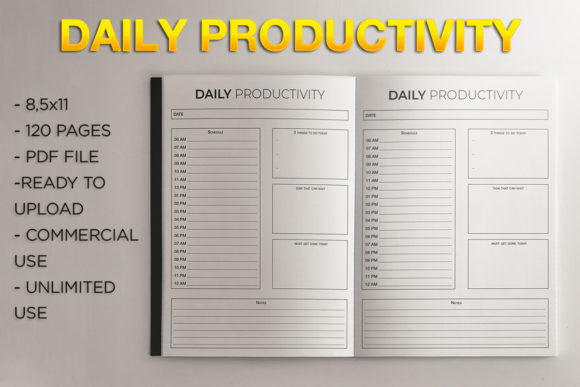
For entrepreneurs, freelancers, and small business owners entering the KDP ecosystem, time is the most scarce resource. This template provides an immediate, professional-grade interior consisting of 120 pages of structured productivity layouts. However, viewing this merely as a "file to upload" limits its potential. Strategically, this template should be treated as a scalable baseline for a broader publishing portfolio. It allows for rapid prototyping of new niches, testing market demand with minimal upfront investment, and establishing a consistent visual identity across multiple titles without hiring expensive designers for every iteration.
Technical Precision and Platform Compliance
The primary value proposition of this Daily Productivity KDP Template lies in its adherence to KDP’s strict printing specifications. A "no bleed" design means that all content, including lines, boxes, and text, stays within the safe zone, maintaining a uniform white margin around the entire page. This is distinct from full-bleed designs where graphics extend to the paper's edge. Understanding this distinction is critical for decision-makers because selecting the wrong setting during upload results in automatic rejection or, worse, a printed book with cropped content.
When leveraging this 8.5″ x 11″ format, publishers must ensure their KDP dashboard settings align perfectly with the file attributes. The template is optimized for standard US Letter size, which offers ample real estate for daily planning, habit tracking, and reflection sections without feeling cramped. The 120-page count is strategically chosen to balance spine width visibility with printing costs. A book of this thickness creates a perceived value that justifies a higher price point compared to thinner journals, while remaining light enough to keep shipping fees and production costs manageable. This balance is essential for maintaining healthy profit margins in a competitive marketplace.
Strategic Niche Positioning Beyond Generic Planning
Uploading a generic productivity journal into the saturated general market is a high-risk strategy. To derive long-term value from this template, publishers must apply a layer of strategic differentiation. The interior structure supports various use cases, but success depends on how you position the exterior and metadata. Consider adapting the marketing message for specific professional demographics rather than a broad audience.
- For Educators: Position the template as a semester-based lesson planner or student progress tracker, emphasizing the 120-page capacity for academic terms.
- For Freelancers: Market the layout as a client project log or billable hours tracker, focusing on the utility of the structured daily blocks.
- For Health Professionals: Frame the interior as a patient intake or wellness monitoring tool, highlighting the clean, clinical aesthetic of the no-bleed design.
- For Creative Professionals: Use the template as a structured brainstorming companion, contrasting the rigid lines with the fluid nature of creative work.
By aligning the Daily Productivity KDP Template with specific user pain points, you transform a commodity product into a specialized tool. This approach improves conversion rates because the customer sees a solution tailored to their workflow rather than a generic notebook. The interior remains the same, but the strategic packaging changes to meet distinct market needs.
Operational Efficiency and Portfolio Scaling
For publishers managing multiple titles, operational efficiency dictates profitability. Creating unique interiors for every single book is unsustainable for solo entrepreneurs or small teams. This template functions as a standardized operating procedure for interior creation. By validating this specific layout once, you create a reusable asset that ensures consistency across your catalog. This standardization reduces quality control time and minimizes the risk of formatting errors that lead to negative reviews.
Furthermore, the instant download nature of this PDF facilitates agile publishing workflows. When a trending niche emerges, speed to market is often more valuable than bespoke design. Having a verified, ready-to-upload template allows you to capitalize on seasonal trends or emerging topics within hours rather than weeks. This agility is particularly relevant for marketers and bloggers who use KDP books as lead magnets or physical extensions of their digital content. The ability to quickly deploy a high-quality physical product enhances brand authority and provides tangible value to an audience accustomed to digital consumption.
Risk Mitigation and Quality Assurance
While templates accelerate production, they introduce specific risks if used without intentionality. The most significant risk is market saturation through identical interiors. If hundreds of publishers use the exact same Daily Productivity KDP Template without modification or unique positioning, Amazon’s algorithm may struggle to differentiate the listings, leading to suppressed visibility. To mitigate this, treat the template as a starting point rather than a final destination.
Consider adding unique front matter, such as a personalized introduction, usage guide, or branded resources page. Even though the core 120 pages are standardized, these custom elements signal uniqueness to both the customer and the platform. Additionally, always verify the PDF before upload. Screen resolution differs from print resolution. What looks crisp on a monitor may appear pixelated or too faint in print. Conducting a test print or ordering a proof copy is a non-negotiable step in professional publishing. Relying solely on digital previews is a common failure point that erodes trust and damages long-term brand equity.
Enhancing Customer Experience Through Design Constraints
The "no bleed" constraint of this template is not merely a technical limitation; it is a user experience feature. In productivity tools, excessive visual noise can hinder focus. A clean margin provides necessary whitespace, reducing cognitive load and making the writing area feel organized and accessible. For users aged 20–50 who often suffer from digital fatigue, a physical interface that prioritizes clarity over decoration supports better engagement and sustained use.
When describing this product in your listing, articulate these benefits clearly. Do not simply list "8.5 x 11 inches" as a spec. Explain that the generous margins prevent handwriting from being lost in the binding gutter and that the clean layout facilitates quick scanning and reference. Effective communication bridges the gap between technical specs and user value. Customers do not buy PDFs; they buy the promise of organized thoughts and achieved goals. Your description must reflect an understanding of how the physical attributes of the book support those psychological outcomes.
Long-Term Value and Decision-Making Framework
Integrating the Daily Productivity KDP Template into your business model requires a shift from short-term uploading to long-term asset management. Before relying on this or any template, evaluate it against your broader business objectives. Does this format serve your target audience’s specific planning style? Is the 120-page count appropriate for the intended duration of use? Does the no-bleed aesthetic align with your brand voice?
Use this template as a data-gathering tool. Track sales performance, return rates, and customer feedback specifically related to the interior layout. If customers consistently mention they love the spacing but wish for a different header style, you have actionable intelligence for future iterations. This feedback loop turns a static PDF into a dynamic component of your product development strategy. Over time, you may develop proprietary variations based on this foundation, gradually moving from licensed templates to original IP while maintaining the operational discipline this initial resource taught you.
Ultimately, the strategic utility of this template extends beyond the immediate upload. It represents a commitment to professional standards, operational scalability, and customer-centric design. For the serious KDP publisher, it is less about the file itself and more about the efficient, reliable framework it provides for building a sustainable publishing business. By approaching this resource with intentionality and respecting the nuances of platform compliance and user needs, you position yourself not just as a content uploader, but as a thoughtful creator solving real problems in the productivity space.