Habit Tracker KDP Template: A Strategic Asset for Low-Content Publishing
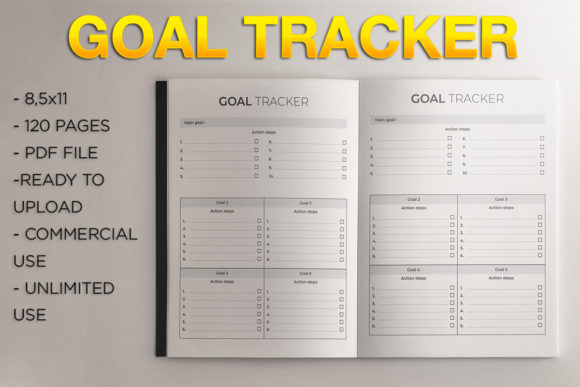
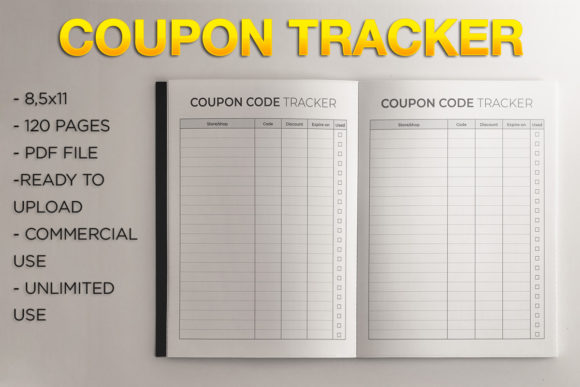
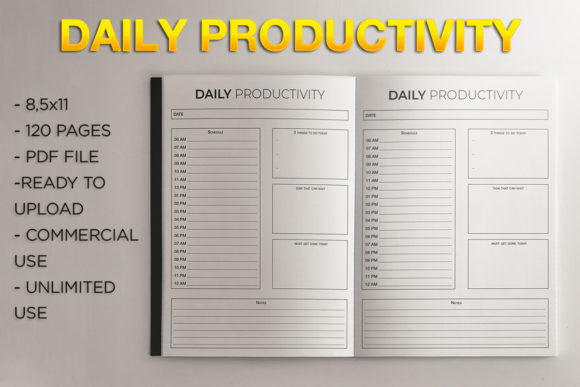
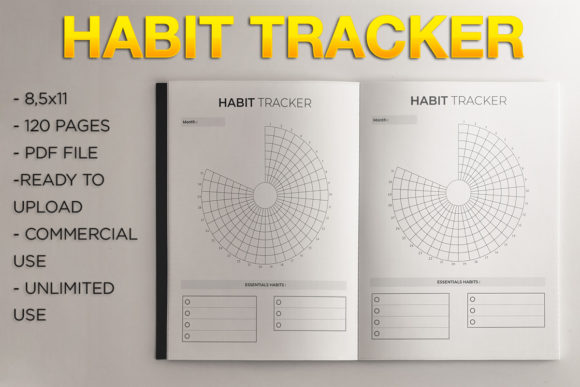
For self-publishers and digital product creators, the difference between a saturated listing and a profitable asset often lies in technical precision and strategic utility. The Habit Tracker KDP Template serves as more than just a pre-formatted document; it is a foundational infrastructure tool designed to streamline the production of high-demand low-content books. This specific 8.5″ x 11″ no-bleed design eliminates the most common formatting errors that lead to rejection or poor print quality on Amazon Kindle Direct Publishing. By utilizing a ready-to-upload PDF with 120 pages of optimized interior layout, publishers can shift their focus from mechanical formatting to market positioning and niche research.
The strategic value of this template extends beyond simple time savings. It provides a standardized canvas that ensures consistency across a publishing portfolio. For entrepreneurs, marketers, and educators looking to expand into physical products, this template reduces the barrier to entry while maintaining professional standards. Understanding how to leverage this asset intentionally requires moving past the concept of "passive income" and approaching low-content publishing as a deliberate business operation where product quality, user experience, and technical compliance are paramount.
Technical Precision and Platform Compliance
The primary advantage of using a dedicated Habit Tracker KDP Template is the mitigation of technical risk. Amazon’s printing specifications are rigid, and margins for error in low-content books are non-existent. This template is engineered specifically for the 8.5″ x 11″ trim size with a no-bleed configuration. No-bleed designs require precise margin management to ensure content does not get trimmed during the binding process or appear too close to the gutter. A pre-validated template removes the guesswork regarding safe zones and bleed settings.
When uploading to KDP, selecting the correct parameters is critical. Users must select the 8.5″ x 11″ paper size and explicitly choose the "no bleed" option during the setup process. Failure to align the file specifications with the dashboard settings results in immediate validation errors or, worse, a published book with compromised usability. This template’s 120-page count is also strategically chosen; it provides sufficient volume for a quarterly or annual tracker without exceeding spine width thresholds that might complicate cover design for thinner books. By adhering to these specifications, publishers protect their account health and ensure a seamless customer experience.
Strategic Positioning in the Low-Content Market
Possessing a functional template is only the first step; integrating it into a broader market strategy determines its success. The habit tracking niche is competitive, meaning generic uploads rarely perform well. Successful publishers use this Habit Tracker KDP Template as a base for differentiated products. Rather than competing on broad terms like "habit journal," strategic creators adapt the template to serve specific demographics or professional needs.
Consider the following positioning strategies that utilize the standard 8.5″ x 11″ format effectively:
- Niche-Specific Adaptation: Modify the cover and title metadata to target distinct audiences such as "ADHD Routine Tracker for Adults," "Post-Surgery Recovery Log," or "Teacher Classroom Management Tracker." The interior remains consistent, but the external packaging addresses a specific pain point.
- Bundling for Value: Use the template as part of a larger ecosystem. Freelancers and coaches can offer the physical book as an upsell to digital courses or consulting packages, creating a tangible touchpoint for their brand.
- Series Development: Create a cohesive brand identity by using this template as the standard interior for a series of productivity tools. Consistency in page count and layout builds reader trust and encourages repeat purchases.
- Seasonal Relevance: Align releases with natural planning cycles. Launching a fresh version of the tracker in Q4 for New Year resolutions or in late summer for back-to-school planning capitalizes on existing search intent.
This approach transforms a static PDF into a dynamic product line. The template handles the structural heavy lifting, allowing the publisher to concentrate on keyword research, cover design, and audience targeting.
Enhancing User Experience Through Design Constraints
The 8.5″ x 11″ no-bleed format influences how end-users interact with the product. Unlike smaller journals, this letter-size dimension offers ample space for detailed tracking, notes, and reflection. For adults aged 20–50, particularly professionals and parents, readability and writing comfort are significant factors in product satisfaction. The generous margins inherent in a no-bleed design prevent text from disappearing into the spine, a common complaint in poorly formatted low-content books.
From a decision-making perspective, the layout supports cognitive ease. Habit formation relies on reducing friction; if a tracker is difficult to read or write in, adherence drops. This template’s structure facilitates quick daily logging without visual clutter. Publishers should recognize that they are selling a behavioral tool, not just paper. When marketing the product, highlighting the functional benefits of the large format and clean layout can differentiate the listing from competitors using cramped or aesthetically overwhelming interiors. The utility of the product directly correlates to review ratings and long-term sales velocity.
Operational Efficiency for Publishers
For small business owners and freelancers managing multiple revenue streams, efficiency is a key performance indicator. Creating a 120-page interior from scratch involves significant hours of design work, proofing, and testing. This Habit Tracker KDP Template compresses that timeline from days to minutes. However, operational efficiency should not be confused with automation without oversight.
The instant download nature of the file allows for rapid prototyping. Publishers can test multiple niches quickly to validate demand before investing heavily in custom interiors. If a particular niche shows traction, the publisher can then justify the expense of developing a bespoke interior. Conversely, if a niche fails to convert, the sunk cost is minimal. This agile methodology is essential in the current KDP landscape, where market saturation requires data-driven iteration rather than speculative bulk uploading.
Risks of Context-Free Implementation
While the template solves technical problems, it introduces strategic risks if used without clear intent. The most significant danger is commoditization. Because templates are accessible, many sellers may upload identical interiors. Amazon’s algorithms increasingly prioritize unique content and may suppress duplicate listings. Relying solely on this template without adding unique value through covers, titles, descriptions, or supplementary content is a precarious strategy.
Additionally, there is the risk of misalignment between the template’s structure and the target audience’s needs. A standard habit grid may work for general wellness but fail for specialized tracking like medication schedules or financial budgeting. Publishers must evaluate whether the fixed layout of this 120-page PDF genuinely serves their chosen niche. Forcing a mismatched template onto a specific audience leads to negative reviews and returns. Always audit the interior against the specific requirements of your target demographic before publishing.
Another consideration is platform dependency. While this template is currently optimized for KDP, relying exclusively on one marketplace limits business resilience. Strategic operators should consider how this asset fits into a multi-channel approach. Can the same PDF be adapted for Etsy as a printable? Could it be spiral-bound through a different POD provider? Diversifying the application of the asset protects against policy changes or algorithm shifts on any single platform.
Making Informed Decisions Before Publishing
Before integrating this Habit Tracker KDP Template into your catalog, conduct a thorough feasibility assessment. Evaluate the competitive density of your intended niche using objective data rather than intuition. Analyze the top-selling books in that category: Do they use similar layouts? What features do customers praise or criticize in their reviews? If existing bestsellers offer significantly more customization or better design, a standard template may not suffice without substantial modification.
Consider the long-term lifecycle of the product. Habit trackers are often perennial sellers, but they require maintenance. Metadata needs updating, covers may need refreshing, and pricing strategies must adapt to market fluctuations. Treat this template as a component of a living business system rather than a set-and-forget asset. Allocate resources for ongoing optimization and customer feedback analysis.
Finally, assess your own capacity for differentiation. If you cannot create a compelling cover or write a persuasive description that articulates the unique value of your specific tracker, pause before uploading. The template provides the vessel, but your strategic input provides the value. Success in low-content publishing is increasingly reserved for those who treat it as a serious publishing endeavor rather than a shortcut. By combining the technical reliability of this Habit Tracker KDP Template with thoughtful market research and intentional branding, publishers can build sustainable assets that serve real user needs and generate consistent returns.
Practical Checklist for Intentional Use
- Validate Niche Fit: Confirm that the 8.5″ x 11″ no-bleed layout matches the functional requirements of your target audience.
- Differentiate Externally: Invest in professional cover design and keyword-optimized metadata to distinguish your product from other template users.
- Audit Interior Quality: Download and print a test copy to verify margins, line weight, and overall usability before going live.
- Plan for Iteration: Schedule regular reviews of sales data and customer feedback to determine when to update or retire the template.
- Ensure Compliance: Double-check KDP upload settings (8.5″ x 11″, no bleed) for every new project to prevent printing errors.
By adhering to these principles, the Habit Tracker KDP Template becomes a powerful lever for growth rather than just another file in a crowded marketplace. Strategic application, grounded in realistic expectations and user-centric design, is the defining factor between temporary activity and enduring results.