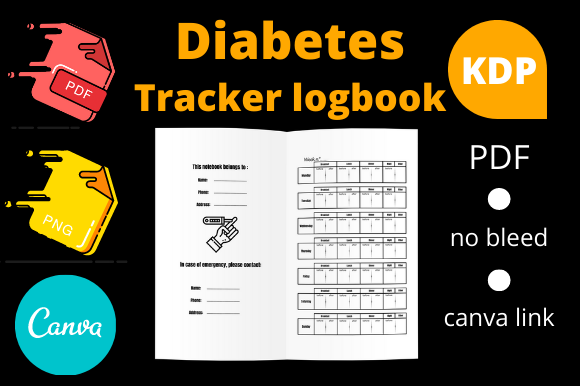
Diabetes Tracker Logbook KDP Interior: A 53-Week Guide
Managing blood glucose levels requires consistency, yet finding a tracking system that balances medical necessity with daily usability is often a challenge. The Diabetes Tracker Logbook KDP Interior addresses this gap by providing a structured, year-long framework designed specifically for Amazon’s print-on-demand ecosystem. This resource is not merely a collection of blank tables; it is a comprehensive health journal engineered to follow the evolution of diabetes over 53 weeks. By capturing data points before and after meals, users can identify patterns that sporadic testing might miss. For publishers and creators, this interior represents a ready-to-use asset that meets specific technical standards while serving a genuine need in the chronic illness management community.
Core Features and Technical Specifications
The primary value of this logbook lies in its dual functionality as both a practical health tool and a compliant publishing asset. The interior is formatted at 6 by 9 inches, the industry standard for portable journals that fit easily into bags or glove compartments without sacrificing writing space. This trim size ensures the book remains lightweight enough for daily carry while offering sufficient margin area for handwritten notes.
The layout spans 53 weeks, covering a full calendar year plus one additional week to account for partial years or leap years. Each entry section focuses on pre-meal and post-meal readings, which are critical for understanding glycemic response to specific foods and medications. Beyond the static PDF ready for immediate upload, the package includes editable Canva links and individual PNG files. This flexibility allows users to adjust fonts, add disclaimers, modify column headers, or rebrand the cover art to suit specific niches within the diabetic community, such as gestational diabetes or type 1 management in children.
Perspectives for Self-Publishers and Content Creators
For entrepreneurs and marketers operating in the low-content or medium-content book space, speed to market and quality assurance are often competing priorities. Creating a medically relevant tracker from scratch carries significant risk; incorrect terminology or poor layout can lead to negative reviews and returns. This Diabetes Tracker Logbook KDP Interior mitigates that risk by providing a pre-validated structure. The inclusion of source files means creators are not locked into a single product. A marketer focusing on senior care might increase font sizes for readability, while a creator targeting fitness enthusiasts with type 2 diabetes might add columns for exercise duration or carbohydrate intake.
The commercial value extends beyond simple resale. Bloggers and educators can use these interiors as lead magnets or bundled resources. Instead of directing readers to generic pharmacy notebooks, an educator can offer a branded, customized tracking tool that reinforces their specific teaching methodology. The PNG files facilitate this by allowing individual pages to be used in digital presentations, social media graphics, or printable worksheets without needing to reconstruct the design elements manually.
Evaluating Quality and Customization Potential
When assessing whether this interior aligns with business goals, consider the balance between convenience and uniqueness. While the base template is robust, successful publishers often differentiate their products through customization. The Canva integration is particularly valuable here. It allows for:
- Branding Consistency: Matching the interior typography and aesthetic to existing book series or website themes.
- Niche Adaptation: Modifying prompts to address specific demographics, such as adding insulin pump site rotation logs or pregnancy-specific tracking fields.
- Localization: Translating headers for non-English markets or converting units of measurement for international audiences.
- Value Addition: Inserting educational pages, motivational quotes, or reference charts between weekly logs to transform a simple tracker into a comprehensive guide.
Creators should verify that any modifications maintain adequate white space. Overcrowding a 6x9 page can render a logbook unusable for individuals with neuropathy or vision impairments common in long-term diabetes management. The provided template respects these accessibility needs, but heavy customization requires vigilance to preserve functionality.
Practical Utility for Consumers and Health Advocates
From the end-user perspective, the effectiveness of a diabetes logbook depends entirely on adherence. If a journal is cumbersome or confusing, it will be abandoned. This interior prioritizes cognitive ease. The distinction between pre-meal and post-meal entries is visually clear, reducing the mental load during stressful health management moments. For adults aged 20–50 balancing careers, families, and health, the ability to record data quickly is paramount. The 53-week duration also supports longitudinal analysis, helping patients and healthcare providers spot seasonal trends or gradual changes in insulin sensitivity that shorter logs would obscure.
Caregivers and family members may find this format equally useful. When managing diabetes for a dependent, having a standardized record simplifies communication during medical appointments. Rather than relying on memory or scattered notes, caregivers can present a cohesive history of glycemic control. The portability of the 6x9 format further supports this use case, allowing the logbook to travel with the patient to school, work, or care facilities.
Considerations for Educators and Healthcare Professionals
Diabetes educators and nurses often seek tools that bridge the gap between clinical guidelines and patient reality. While electronic health records capture snapshots, they rarely reflect the granular daily lived experience of blood sugar management. Recommending or distributing a physical logbook like this one can empower patients to take ownership of their data. However, professionals must evaluate the interior against current clinical standards. Does the layout accommodate the specific metrics relevant to their patient population? Can it be adapted to include target range reminders or medication timing?
The editability of this resource makes it suitable for clinical adaptation. A dietitian might customize the meal sections to align with a specific nutritional protocol, while an endocrinologist might add fields for ketone testing. This transforms a generic product into a specialized therapeutic tool. For small business owners in the wellness space, offering such tailored resources can enhance service value and improve patient outcomes through better data continuity.
Making the Right Choice for Your Needs
Determining if this Diabetes Tracker Logbook KDP Interior is the right fit requires honest assessment of your objectives. For self-publishers seeking a reliable foundation that eliminates design guesswork, the combination of PDF readiness and editable source files offers significant efficiency gains. The 53-week structure provides substantial content volume, justifying a higher price point than standard 12-week planners. For consumers and advocates, the focus should remain on usability and longevity. The pre/post-meal tracking format supports actionable insights, while the annual scope reduces the friction of replacing books frequently.
However, those requiring highly specialized medical layouts or integrated digital features may need to look elsewhere or invest significant time in customization. This interior excels as a versatile middle ground—professional enough for clinical recommendation, flexible enough for creative branding, and practical enough for daily use. Whether you are building a publishing portfolio, supporting a loved one, or managing your own health journey, the utility of this logbook stems from its thoughtful alignment with real-world diabetes management rhythms. Success ultimately depends on leveraging the provided assets to create a product or tool that resonates authentically with the specific challenges of tracking chronic health conditions.